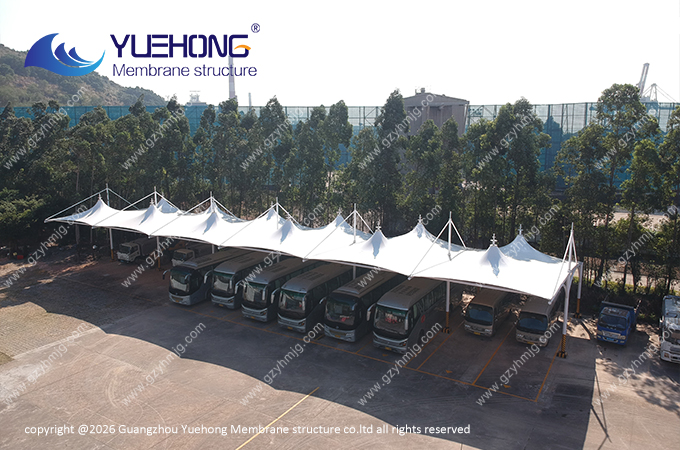
La beauté artistique des structures tendues en membrane paysagères
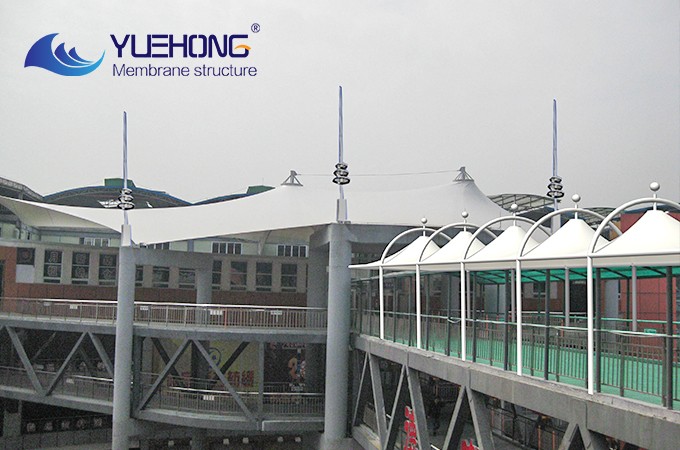
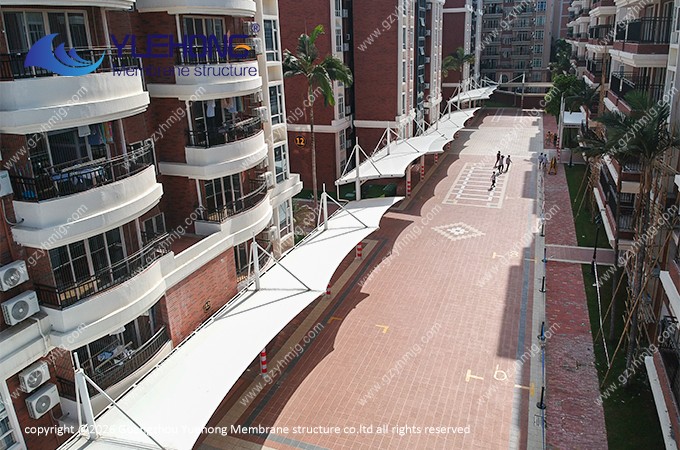
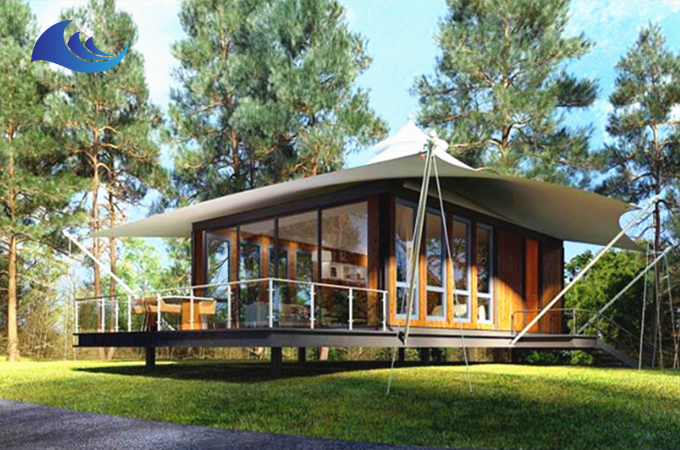
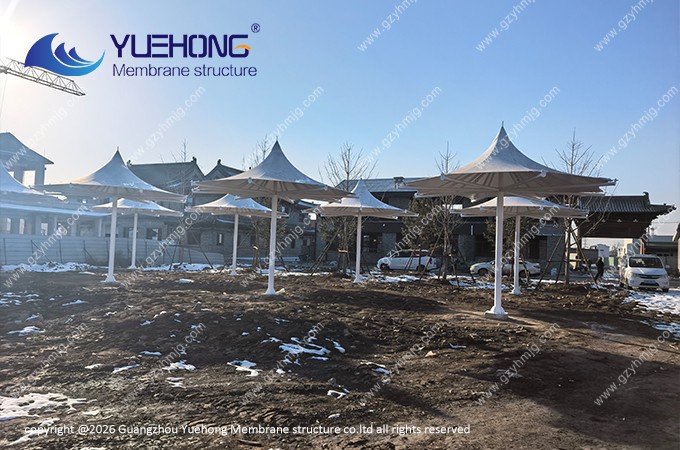
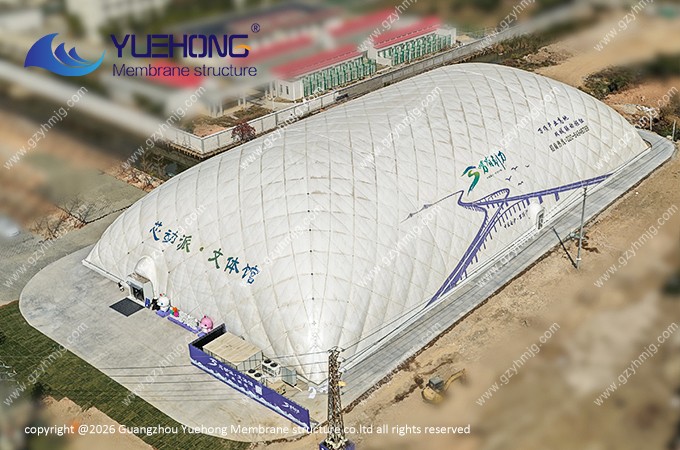
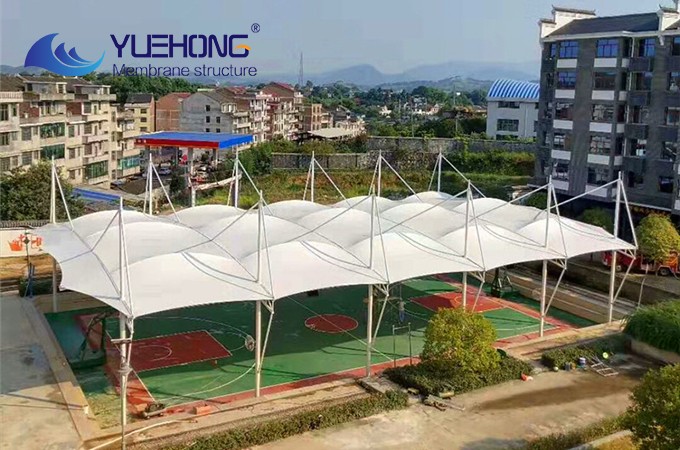
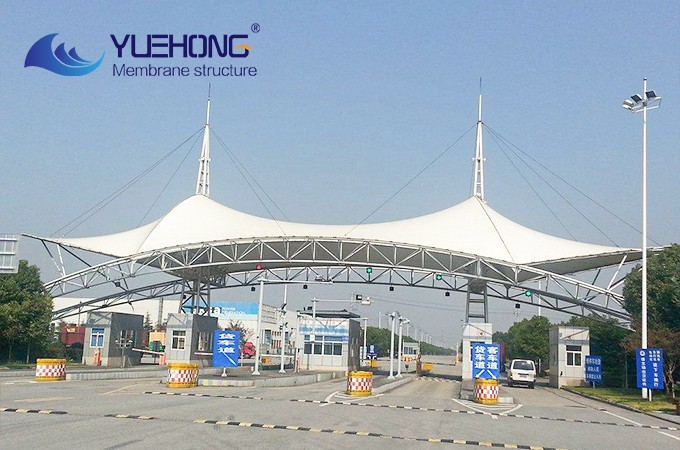
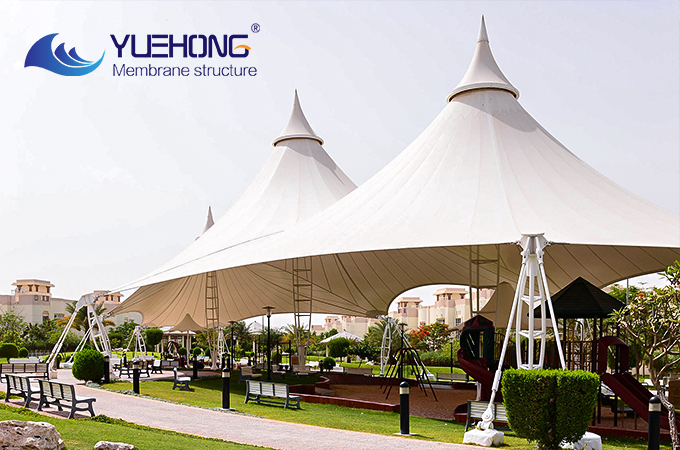
La structure tendue en membrane paysagère est un système constructif reposant sur une membrane flexible et une structure précontrainte, permettant de couvrir de grandes portées légères grâce à un équilibre autoportant. Elle utilise une membrane enduite dont le taux de transmission lumineuse varie de 10 à 40 %. Ce type de structure convient à de nombreuses situations. Comparée à l’architecture traditionnelle, la structure en membrane paysagère répond davantage à cette recherche d’une beauté architecturale au plus près des besoins quotidiens, alliant fonctionnalité, durabilité et protection solaire ou contre la pluie sur les sites touristiques. Elle crée des espaces d’activités tout en améliorant la qualité de l’environnement et le confort général.


La structure tendue en membrane paysagère constitue un véritable atout esthétique dans le paysage urbain moderne. Son rôle essentiel est de conjuguer fonctionnalité et sens artistique : elle satisfait aux exigences pratiques de la construction tout en créant un signe visuel urbain unique et en rehaussant la qualité des espaces. Elle insuffle également une dimension artistique aux espaces culturels et de loisirs, enrichissant ainsi la diversité des espaces urbains.

La structure en membrane paysagère révèle sa beauté structurelle dans divers contextes. Ses qualités formelles et ses effets nocturnes originaux sont particulièrement remarquables tant dans les sites touristiques que dans les aménagements commerciaux. Elle représente une solution spatiale qui a toujours été et reste particulièrement appréciée.